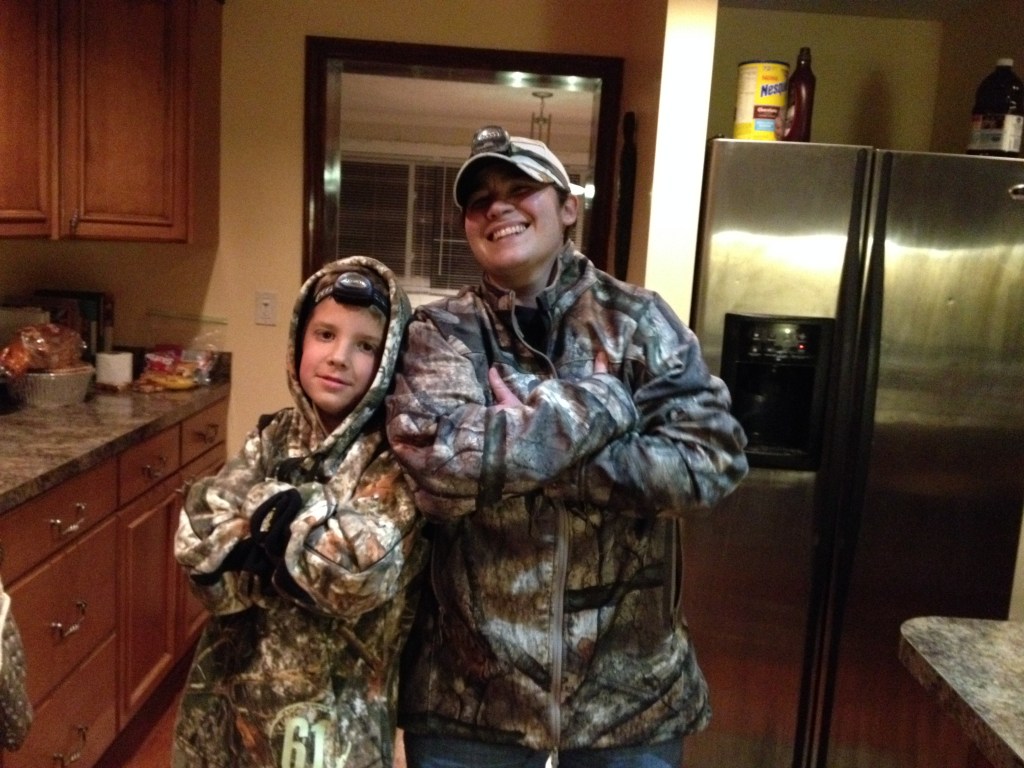
It is almost Fall Turkey Hunting Season, and you know what that means! Let’s start scouting.
Hello, I am Deanna Grimstead, an ecologist and lives to enjoy the outdoors! This post is written with C. Mendel – A good friend and a stellar ecologist.
Turkey Habitats and Preferences
Two distinct subspecies of turkeys: Merriam’s (Melagirs gallopavo merriami) and the Rio Grande (Meleagris gallopavo intermedia) historically and currently exist within the US Southwest and Four Corners region. Merriam’s turkeys are known as “mountain turkeys”, and their native habitat range is between 1,067 and 3,048m with seasonal variation favoring higher elevations in summer months and lower elevation in winter months. The Merriam’s turkey requires trees for nightly roosting with preference for old-growth conifers – especially ponderosa pine (Pinus ponderosa), with Douglas fir (Pseudotsuga menziesii), white fir (Abies concolor), narrowleaf cottonwood (Populus angustifolia), and Engelmann spruce (Picea engelmanni) also being frequently roosted. Rio Grande’s native habitat range is comprised of grasslands, oak-hickory, oak-pine, piñon-juniper, plains, prairie, shinnery, southwestern shrubsteppe, and Texas savanna forest and range types. Rio Grande turkeys also require roosting sites for predation avoidance and nightly roosting but unlike the Merriam’s they frequent deciduous trees with the most common roosting trees being oak (Quercus spp.), hackberry (Celtis spp.), pecan (Carya illinoinensis), elm (Ulmus spp.), cottonwood (Celtis conferta), and willow (Salixspp.). Rio Grande turkeys will readily roost on human-made structures when tall trees are scarce. Although there is some debate as to the level of need, both Merriam’s and Rio Grande turkeys require surface waters, particularly during the warm and dry summer months, but it is unclear if water needs are daily or weekly. It has been documented that in winter turkeys can go for weeks without water and forage, indicating these subspecies of birds are at least in part adapted to xeric and semi-xeric habitats where surface waters may not always be available.
Home Range, Territory, and Dispersal Behavior
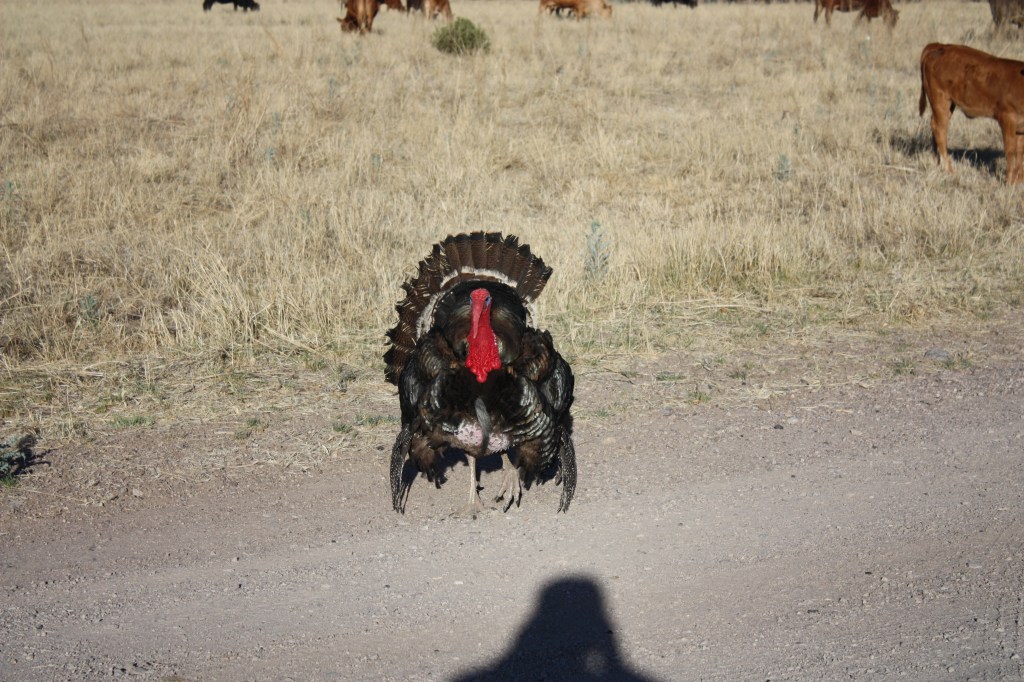
Wild turkeys in the Southwest and Four Corners regions have large home ranges and significant distances of seasonal dispersal due to habitat, roosting, and nesting requirements. Merriam’s turkeys have home ranges from a winter minimum of 3.47 km2 to a spring maximum of 42.13 km2. Rio Grande birds have home ranges that vary from no more than 8.4 km2 in winter (Beasom and Wilson 1992) to as much as 3257.3 km2 during summer (converted to km2 from Latham 1976). The extent to which this larger summer home range is fully utilized is dependent on distance to a source of water as nesting hens primarily place their nest within 0.4 km of a permanent water source. Seasonal dispersals find Merriam’s turkey gobblers travelling on average 3.7 km, while hens travel an average of 9.6 km, much larger dispersals (64 km) between wintering and breeding sites have been recorded. Seasonal dispersal behavior in Rio Grande birds has been documented as low as ~6 km up to 40 km from wintering to nesting sites. Important for understanding the prehistoric behavioral ecology of turkey – human dynamics, is that hunting pressure in the modern, bow and shotgun hunting, has been shown to increase home range size and the distance the bird will travel from roosting sites.
Sociality
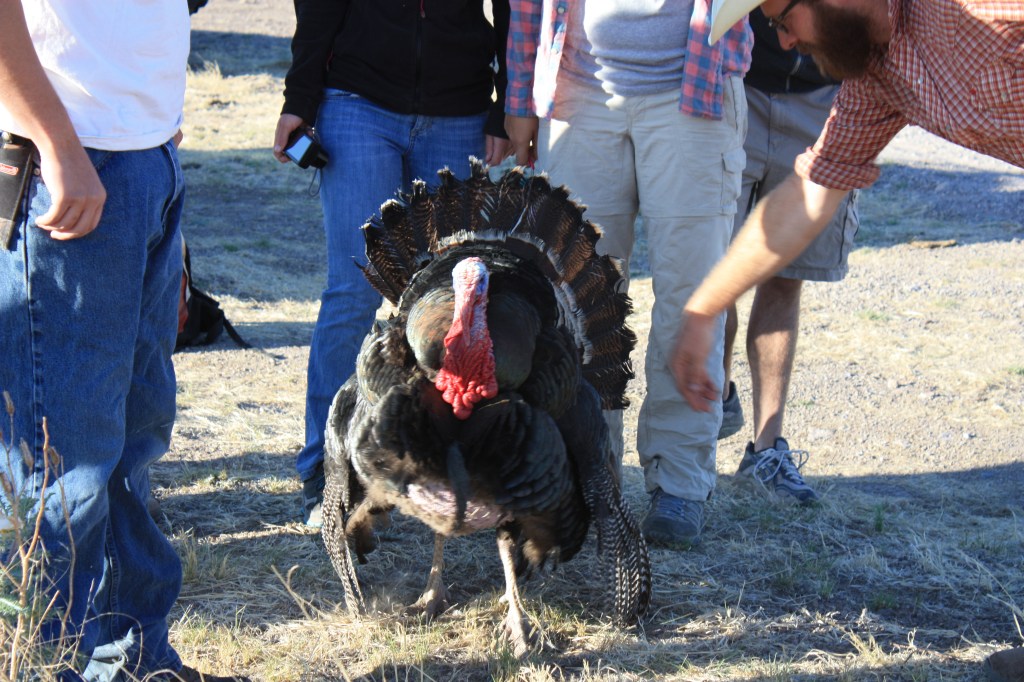
Aspects of turkey social behavior are particularly important for understanding the interactions humans would have had with the wild ancestor, which eventually transitioned into husbandry relationships where birds were domesticated and/or tame birds would have adapted to life in and among humans and other domesticated or tamed turkeys. Turkey sociality and flocking patterns are heavily influenced by environment and reproductive activities, varying seasonally and through an annual cycle. The variability of social patterns of Rio Grande and Merriam’s turkeys has four yearly cyclical stages defined in terms of female reproductive behavior: breeding, nesting, brooding, and winter. Rio Grande and Merriam’s turkey subspecies, live in semi-arid environments with lower primary productivity and patchy. Thus, these birds employ a different reproductive strategy than their eastern cousin (Meleagris gallopavo silvestris), who employs a mate guarding strategy, where harems of 6-10 females are guarded by one to two often related males year-round. The Rio Grande and Merriam’s on the other hand display lekking behavior, where sexual displays and courtship occur on a communal ground frequented only during the breeding season, known as a lek. Breeding season flocks contain three categories: display flocks of approximately 50 or more receptive adult females, juvenile flocks of non-breeding males, and adult male sibling groups. The adult male sibling groups will compete with each other and display themselves for reproductive opportunities with females on the leks. It is noteworthy that the dominant male from the dominant sibling group often monopolizes the lek so successfully that he alone copulates with females during this time. Once a male dominance pecking order is established, it is virtually immutable until the death of the dominant male, which allows the dominant male to control mating on the lek for multiple years. This type of hierarchical behavior lends itself readily to humans establishing dominance within the social order, which is a critical characteristic in domestication of this subspecies of turkeys.
Nesting follows the breeding season during which females leave the lek and divide into smaller nesting groups of two to five females. At this point juvenile males break off into sibling groups and travel around to nesting females attempting to mate with any receptive, fertilized or unfertilized, females on the nesting grounds, while adult male sibling groups flock together during this time. Once the eggs begin hatching, the pattern of flocking switches to brooding, where females who have hatched young form small brood flocks, consisting of several females and their offspring. Broodless flocks of females who were either unfertilized, unsuccessful in nesting, or whose young were lost to predation form during this time. And, last year’s juvenile males are slowly integrated into a reforming group of adult males in preparation for wintering. Through the first six weeks it is not unusual for a poult to adopt a new family and leave its biological mother, especially if the mother is inexperienced and/or if it is the only survivor of its clutch (Watts and Stokes 19971: 112), which would make poults willingly adopt more experienced mothers that may be a part of the tamed or domesticated flock, thus their behavioral ecology easily allows integration of wild poults into human tended populations. Wintering flocks begin to form in late fall when the juvenile male siblings of the year break away from the brood flocks and attempt to join the adult males. They are subsequently rejected by the adult males and form a juvenile male wintering flock comprised of sibling groups of young of year males. It is during this time that dominance hierarchies are established both within and between male sibling groups. These hierarchies are pivotal in dictating breeding access throughout the lives of these birds. The broodless females are joined by the adult and young females from the small brood flocks and form one large flock of all females. The cycle will begin anew once winter is over with the separating out into breeding season flocks.
It is from the cyclical group forming behavior that we in part argue wild birds may easily integrate into human-supplemented flocks during various stages in this cycle, or even offspring of the foddered flocks may “go wild”. For example, exchanges of wild and human tended turkeys could occur when juvenile males split from the brooding flocks to form a juvenile male wintering flock, or when newly adult males integrates into the wintering cohort of previously established males. We also might expect wild juvenile males after lekking to venture into human habitations in the hopes of mating with nesting and non-fertilized females, and perhaps opting to stay as a result of food availability where humans serve as the dominant figure within the turkey pecking order. These are a few examples of how we might see wild entering the human tended flocks or members of the tended flocks leaving to integrate into the wild flocks, and there are many more possibilities, because turkey sociality is uniquely adapted to enter into a relationship with humans either as a tamed or domesticated bird.
Dietary Variation of Life Stages
Diet, like sociality, has seasonal patterns. These seasonal patterns are based off of both available resources and the needs of reproduction and nutritional requirements of growth. The relevant life stages for wild turkeys are poults, juveniles, adults, and breeding females. The diet of wild poults, young turkeys, consists primarily of insects, as much as 75-90% insect matter. Crop, the pre-stomach digestion organ in birds, examinations have been performed on poults where only insects were found in the crop and where several hundred individual insects, at various life stages, were found in crops showing the strong preference to near exclusivity of diet preference favoring insects in the developing turkey. The dietary intake of calorically rich insects allows the poult to grow steadily and rapidly, gaining on average over 0.1kg a week for the first three months, as well as to attain the appropriate amino acid and calcium intake required to sustain healthy growth. In fact, from an amino acid assay of young poults, they are indistinguishable from insects supporting the old adage, you are what you eat, and documenting the near exclusivity of insects in their diet. From three to seven months of age the growth rate increases to over 0.45 kg every two weeks, given adequate food availability. The time period of growth ends with the onset of winter, at which point growth slows and weight gain from this point on is correlated with the seasonal availability of food. As the turkey reaches adulthood, the dietary importance of insects’ declines and the proportion of vegetative matter in the diet shift to approximately 75-85%. The one exception to this shift in foodstuffs is in the breeding female. Reproductively receptive females ingest high quantities of insects and other invertebrates, rich in calcium and nutrients essential in egg production and weight gain prior to nesting, during which her caloric intake will be limited due to the necessity to remain on or near the nest for incubation and protection.
Prehistoric Turkey Husbandry
The prehistory of turkey domestication, with proposed independent origins in northern or central Mexico and the North American Southwest, is relatively complex and many of the details are still being resolved using a battery of techniques. Domestication of the South Mexican turkey (Meleagris gallopavo gallopavo), now endangered and ancestor to all domestic turkeys consumed in the world today, was long thought to have occurred around a thousand years ago in south-central Mexico. Current thinking, however, is that this domestication actually happened much earlier. Ancient DNA (aDNA) and other evidence now show that the Maya imported and raised the South Mexican turkey in captivity in the Petén region of Guatemala, ~600 km south of its native distribution, during much of the Late Preclassic through the Late Classic Period (300 BC-AD 900).
In the Southwestern U.S., (herein Southwest), phylogeographic analysis, including most domestic and North American wild turkey sequences, along with aDNA analyses of turkey remains from numerous archaeological sites (200 BC-AD 1800), suggest two different maternal lineages in the prehistoric Southwest, one less variable genetically (Haplotype 1) than the other (Haplotype 2) and both separate from domesticated and wild M. g. gallopavo (Haplotype 3). The less genetically variable lineage (Haplotype 1) likely represents a domesticated breed that originated from an undetermined wild progenitor. This haplotype more closely resembles both the Eastern U.S. (M. g. sylvestris) and Rio Grande (M. g. intermedia) subspecies (Haplotype 1) than the Southwestern Merriam’s turkey (M. g. merriami; Haplotype 2). About 15% of the southwestern archaeological turkey bones belong to Haplotype 2, suggesting that wild Merriam’s turkeys were also integrated into foddered stocks.
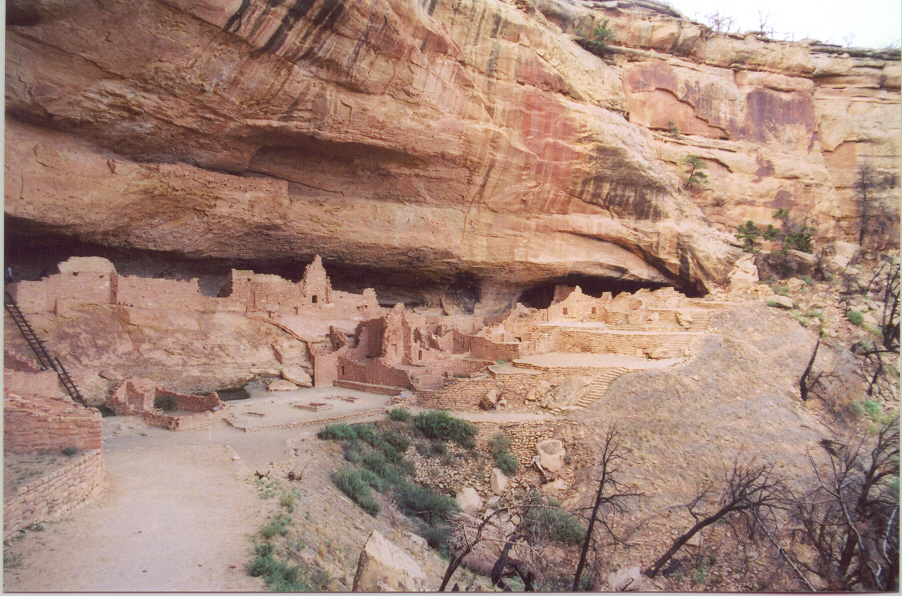
Turkey domestication in the Southwest could have happened as early as AD 200, based both on the identification of haplotype 1 and the abundance of Zea mays pollen in turkey coprolites from both Basketmaker II and Pueblo Period layers at the Turkey Pen Site in Grand Gulch, southeastern Utah. Turkey husbandry appears to have intensified during the Pueblo Periods (AD 750-1300). For example, carbon isotope studies show that turkeys from Pueblo II (AD 900-1150) and Pueblo III sites (AD 1150-1300) in the San Juan Basin consumed a diet high in C4 plants, most likely reflecting the maize foddering by humans, and recent research by the second and third author have shown even as early as Basket Maker III (AD 500 – 750) turkeys are consuming foods that must have included maize (moderate to high degrees of C4 plants) suggesting scavenging, tolerated theft, or foddering during this period. Strontium isotope studies on turkey remains from Chaco Canyon (ca. 850 – 1150) indicate uniform “local” diets, which is interpreted as intentional human confinement of birds outside of their natural habitats and near or within the community. Scanning electron microscopy of eggshell suggests that, during the 12th century, Puebloans practiced in-situ hatching and purposeful breeding of captive turkeys at Salmon Ruin on the north bank of the San Juan River, northwestern New Mexico. Intensified turkey husbandry might have been motivated by gradual declines in wild game and agricultural failures during prolonged megadrought (e.g., 1130-1180), and it is not until around the time of these droughts that we begin to see turkey pen features in the Four Corners region, such as Mug House, Big Juniper House, Johnson Canyon, Balcony House Mesa in Mesa Verde, Tularosa Cave, and Salmon Ruin.
Further Readings:
When to Fodder and When to Hunt: Evolutionary Trade-offs of Prehistoric Human-Ecological Systems, the Turkey (Meleagris gallopavo). By, Deanna Grimstead, Catherine Mendel, and Daniel Peart. https://www.academia.edu/47753056/When_to_Fodder_and_When_to_Hunt_Evolutionary_Trade_offs_of_Prehistoric_Human_Ecological_Systems_the_Turkey_Meleagris_gallopavo_
The Rio Grande Turkey. By, Beasom and Wilson.
History and management of Merriam’s wild turkey. By, J. Stokely Ligon. https://www.amazon.com/History-management-Merriams-wild-turkey/dp/B004KO5930
Habitat use and selection and home ranges of Merriam’s wild turkey in Oregon. By, R. Scott Lutz and John A. Crawford. https://www.jstor.org/stable/41712510
The Wild Turkey: Biology and Management. By, James G. Dickson, U.S. Forest Service.
https://www.worldcat.org/title/wild-turkey-biology-and-management/oclc/25834010
Get new content delivered directly to your inbox.
 Diversity, Equity, Inclusion, and Ecology